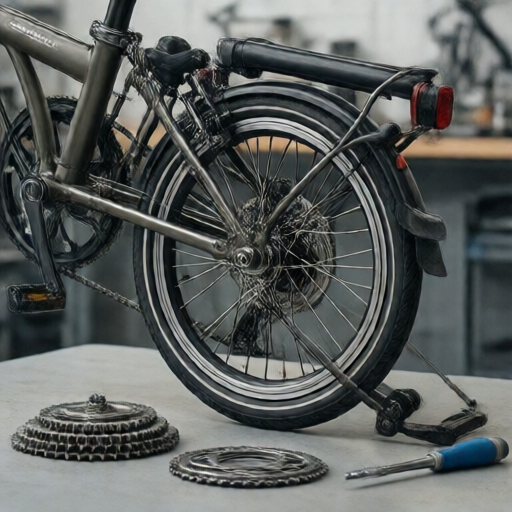
Foldable bicycles are often associated with short commutes, quick errands and convenient urban transportation. Because they are designed to fold into a compact size, some riders wonder whether they are also suitable for longer cycling trips.
The answer is yes. A properly selected and adjusted foldable bicycle can be used for long-distance riding. However, comfort, bicycle setup, riding position and the rider’s fitness can become increasingly important as the distance increases.
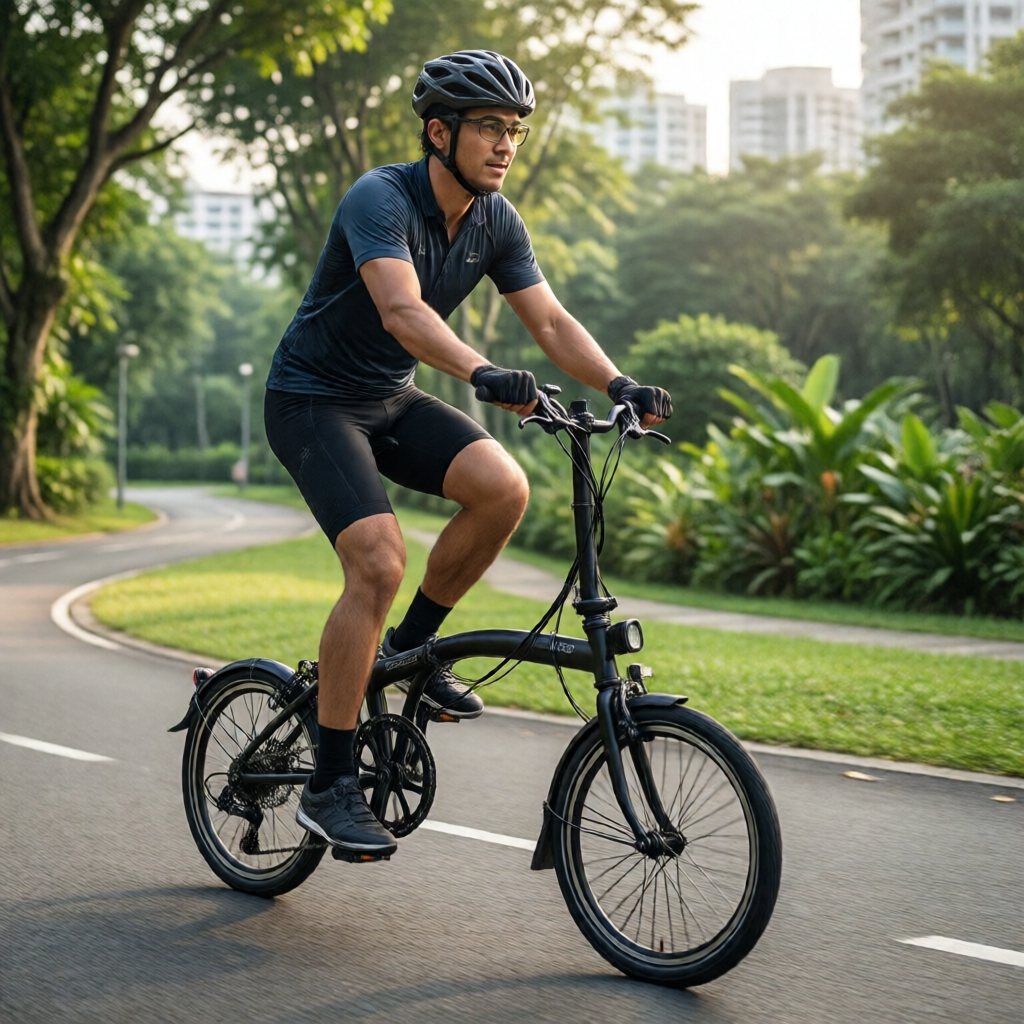
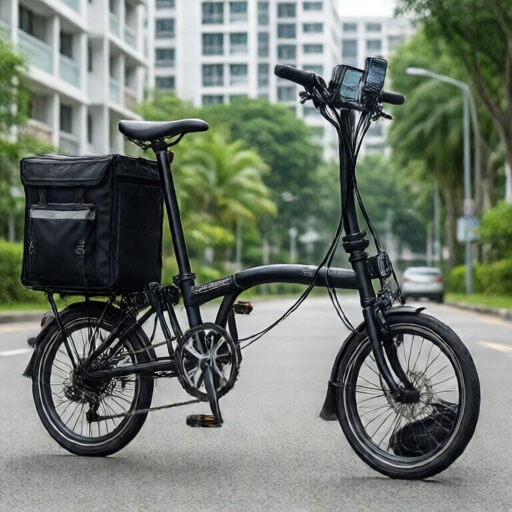
For Singapore riders considering a foldable bicycle Singapore option for commuting, weekend cycling or longer recreational trips, understanding what affects long-distance comfort can help you make a better choice.
Table of Contents
- Can a Foldable Bicycle Handle Long-Distance Riding?
- What Makes a Foldable Bicycle Suitable for Longer Rides?
- Riding Position and Comfort
- Saddle Comfort
- Handlebar Position
- Gearing for Longer Rides
- Tyres and Ride Quality
- Bicycle Weight and Carrying
- Rider Fitness and Pacing
- Preparing Your Foldable Bicycle
- Tips for Long-Distance Riding in Singapore
- Common Mistakes to Avoid
- Final Thoughts
1. Can a Foldable Bicycle Handle Long-Distance Riding?
A foldable bicycle can be used for considerably more than short trips.
The fact that a bicycle folds does not automatically make it unsuitable for longer distances. Many folding bicycles are designed for everyday riding and can provide a comfortable experience when properly fitted.
The important question is whether the particular bicycle is suitable for the type of riding you intend to do.
For longer rides, factors such as:
- Riding position
- Saddle comfort
- Handlebar setup
- Gearing
- Tyres
- Frame design
- Bicycle condition
- Rider fitness
can all influence the experience.
A bicycle that feels perfectly comfortable for a 20-minute trip may feel very different after several hours, so long-distance riders should pay more attention to overall ergonomics.
2. What Makes a Foldable Bicycle Suitable for Longer Rides?
A good long-distance folding bicycle should provide a stable and comfortable riding position.
The folding mechanism itself is not necessarily the deciding factor.
Instead, consider how the bicycle performs when fully unfolded and properly adjusted.
A suitable bicycle should allow you to maintain a natural posture while pedalling.
It should also have gearing appropriate for the terrain you expect to encounter.
For riders in Singapore, this can include flat urban roads, park connectors, bridges and routes with occasional inclines.
Before committing to longer rides, make sure the bicycle is properly adjusted and mechanically sound.
3. Riding Position and Comfort
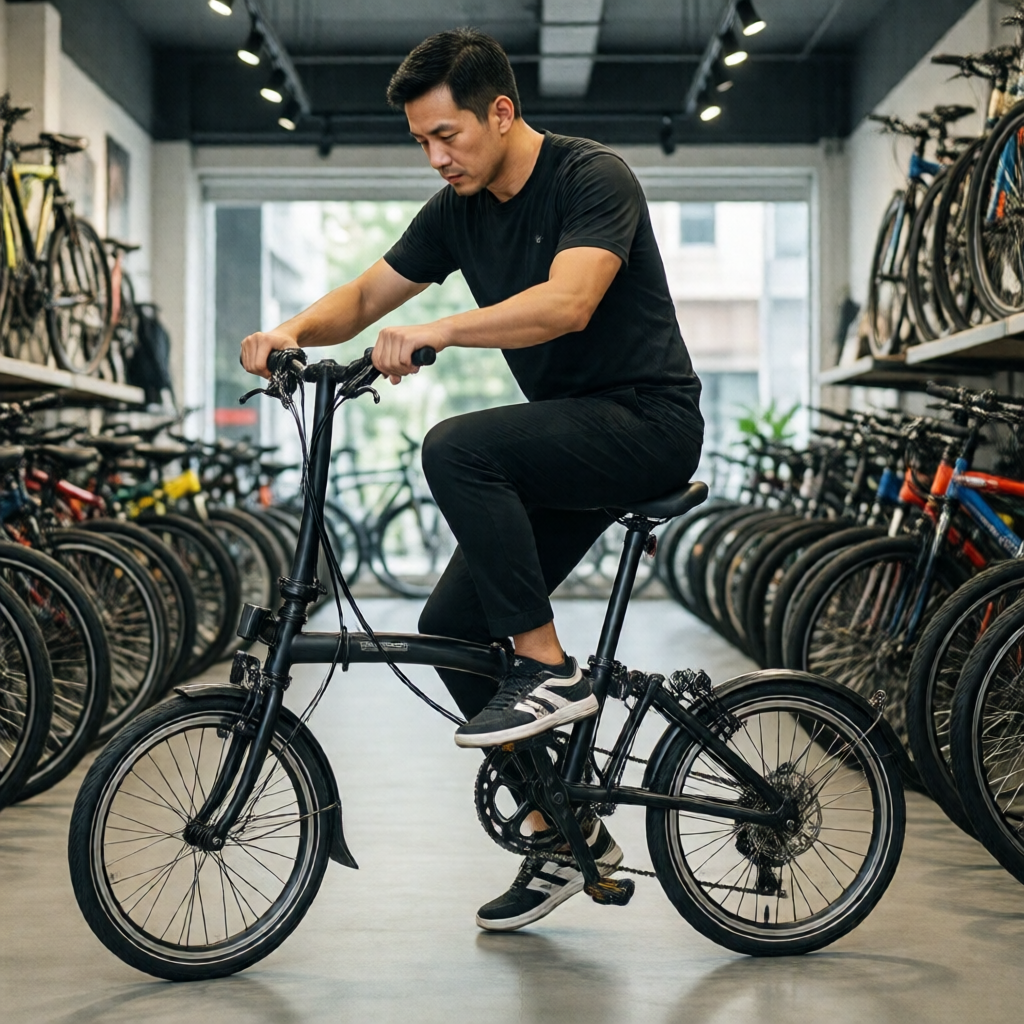
Riding position becomes increasingly important as distance increases.
An uncomfortable riding position may not be obvious during a short test ride. After an hour or more, however, small problems can become much more noticeable.
Your saddle should be positioned so that your legs can pedal naturally.
Your handlebars should be at a comfortable height and distance.
Your arms should not be excessively stretched, and your shoulders should remain relatively relaxed.
A comfortable position helps reduce unnecessary strain and allows you to focus on the ride.
This is particularly important if you plan to use your foldable bicycle in Singapore for longer weekend rides rather than only short urban trips.
4. Saddle Comfort
The saddle is one of the first things many riders notice during a long ride.
A saddle that feels acceptable for a short trip may become uncomfortable over a much longer distance.
However, simply choosing the softest saddle is not necessarily the solution.
Saddle shape, width, rider position and personal preference all influence comfort.
Make sure the saddle is positioned correctly before replacing it.
A poorly adjusted saddle can create discomfort even when the saddle itself is suitable.
If you regularly ride long distances, experiment with your riding position and allow yourself time to adapt to the bicycle.
5. Handlebar Position
Handlebar position affects your upper body, arms and hands.
If the handlebars are too low, the riding position may feel unnecessarily aggressive.
If they are too high or too close, the bicycle may feel less natural for certain riders.
The ideal setup depends on your body proportions and riding style.
For recreational long-distance cycling, many riders prefer a position that balances comfort with effective control.
The important thing is to avoid excessive pressure on your hands and shoulders.
Make small adjustments rather than changing the riding position dramatically all at once.
6. Gearing for Longer Rides
Gearing becomes more important when riding longer distances.
A suitable gear range allows you to adjust your pedalling effort according to the terrain and your speed.
Lower gears can be useful when climbing.
Higher gears can allow more efficient pedalling when travelling faster on flatter sections.
The right gearing depends on the bicycle and the routes you plan to ride.
Singapore is relatively compact and has many relatively flat cycling routes, but riders can still encounter slopes, bridges and elevated sections.
If you expect to ride longer distances regularly, consider whether the bicycle’s gearing provides enough flexibility for your intended routes.
7. Tyres and Ride Quality
Tyres have a direct effect on how a bicycle feels on the road.
Tyre pressure can affect rolling resistance, grip and comfort.
Overinflated tyres may feel harsh on rough surfaces, while excessively low pressure can affect handling and increase the risk of tyre problems.
Always follow the manufacturer’s recommended tyre-pressure range.
Before a long ride, inspect the tyres for obvious damage and make sure they are properly inflated.
It is also worth checking the condition of the tubes, brakes and drivetrain before setting out.
A mechanically well-maintained bicycle is much more suitable for longer trips than one that has been neglected.
8. Bicycle Weight and Carrying
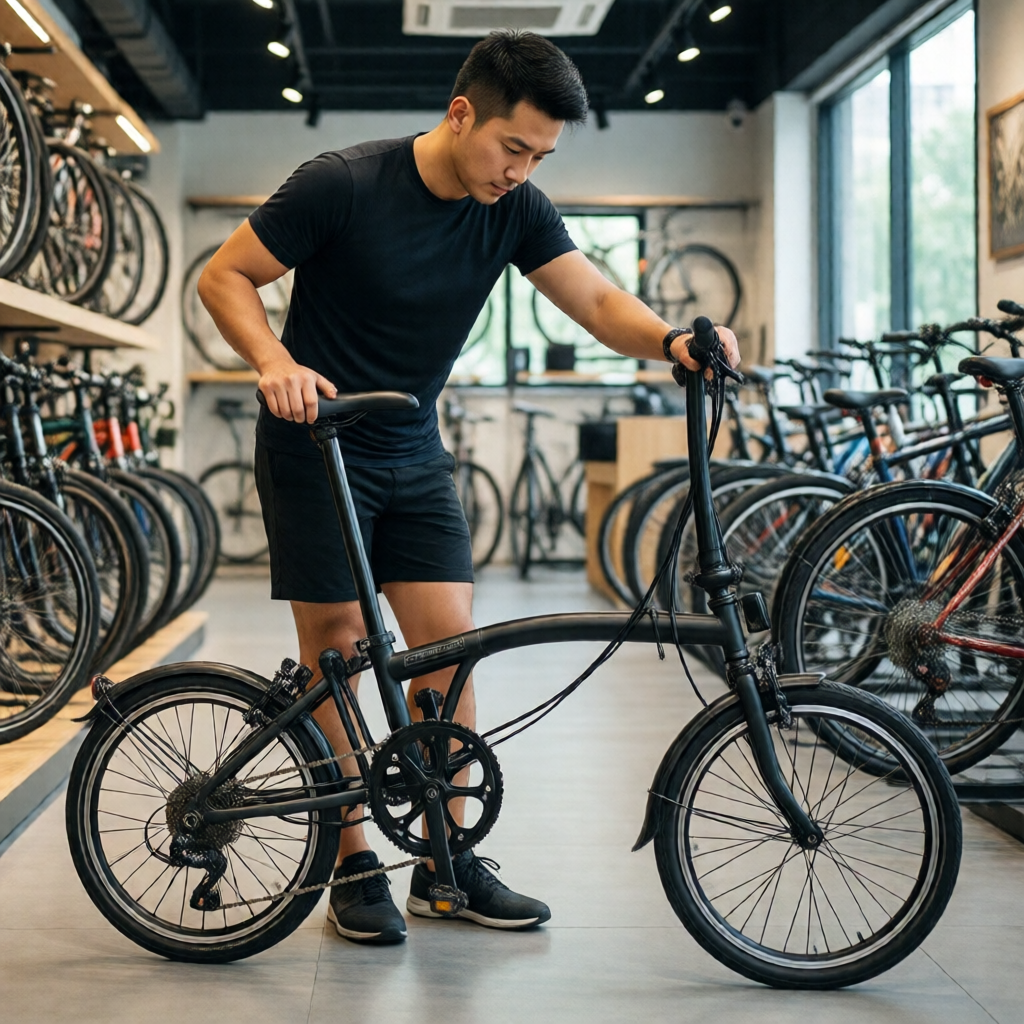
Weight can become relevant when using a foldable bicycle for long-distance trips, particularly if the route involves carrying the bicycle at certain points.
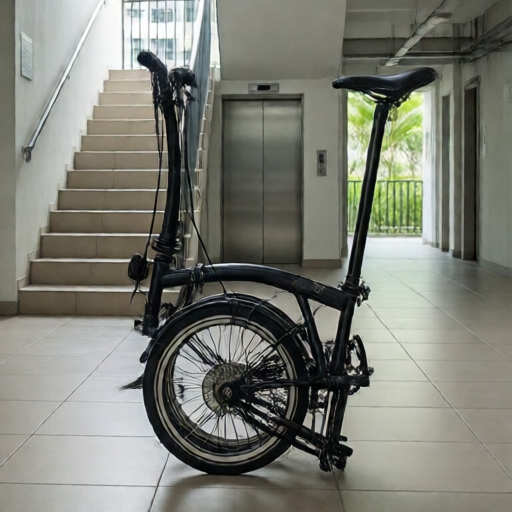
One of the major advantages of a folding design is that the bicycle can be folded when necessary.
You may need to carry it up stairs, move it through a building or transport it before or after a ride.
However, bicycle weight should not be considered in isolation.
A lighter bicycle may be easier to carry, but overall riding comfort and suitability are still important.
Consider how often you expect to carry the bicycle compared with how much time you will actually spend riding it.
9. Rider Fitness and Pacing
The bicycle is only one part of long-distance riding.
Your fitness and pacing can have a significant effect on how enjoyable the ride becomes.
If you normally ride short distances, do not immediately attempt a very long route.
Start with manageable distances and gradually increase your riding time.
Pay attention to how your body feels.
Take breaks when necessary and stay hydrated, particularly in Singapore’s warm and humid climate.
A comfortable pace is often more important than trying to complete a route as quickly as possible.
Gradual progression also gives you an opportunity to identify any bicycle adjustments that may be needed.
10. Preparing Your Foldable Bicycle
Before a longer ride, carry out a basic inspection.
Check the:
- Tyres
- Brakes
- Chain or drivetrain
- Pedals
- Saddle
- Folding hinges
- Folding clamps or locking mechanisms
- Handlebar and steering components
Make sure all folding components are correctly secured before riding.
If the bicycle has been folded and transported frequently, pay particular attention to the folding areas.
Any unusual movement, noise or looseness should be investigated before starting a long ride.
A routine inspection can help identify potential problems before they become inconvenient during a ride.
11. Tips for Long-Distance Riding in Singapore
Singapore provides a variety of cycling environments, making it possible to combine urban cycling with recreational routes.
When planning a longer ride, consider the distance, weather and availability of rest points.
Start early when conditions are more comfortable, particularly on hotter days.
Bring enough water and consider carrying basic essentials such as:
- Mobile phone
- Identification
- Water
- Small repair equipment
- Spare tube if appropriate
- Portable pump
- Basic personal supplies
Plan your route before leaving.
If you are unfamiliar with a particular route, check where you can stop for water, food or rest.
Long-distance cycling becomes much easier when you are prepared for the conditions.
12. Common Mistakes to Avoid
Starting With Too Much Distance
Do not assume that being able to ride a bicycle for one hour means you are immediately ready for a much longer journey.
Build distance gradually.
Ignoring Bicycle Fit
An uncomfortable position can become a major problem over longer distances.
Neglecting Maintenance
Check the bicycle before a long ride rather than discovering a problem halfway through your route.
Using Incorrect Tyre Pressure
Follow the recommended pressure range for your tyres.
Riding Too Fast
Maintaining a sustainable pace can make longer rides significantly more enjoyable.
Forgetting Hydration
Singapore’s weather can make hydration particularly important.
Ignoring Warning Signs
If you experience persistent pain or unusual bicycle behaviour, stop and investigate rather than simply continuing.
13. Final Thoughts
A foldable bicycle can absolutely be used for long-distance riding.
The most important factors are not simply whether the bicycle folds, but whether it provides a comfortable riding position, appropriate gearing, suitable tyres and reliable mechanical performance.
Riders should also consider their own fitness and gradually increase riding distances.
For anyone considering a foldable bicycle in Singapore, a good approach is to start with shorter rides, adjust the bicycle carefully and gradually build up to longer routes.
The compact folding design can provide an additional advantage because the bicycle can be easier to store and transport when your journey requires more than cycling alone.
Ultimately, the best folding bicycle for long-distance riding is one that fits your body, suits your riding style and remains comfortable and reliable throughout the journey.
Conclusion
You do not need a conventional full-size bicycle to enjoy longer cycling trips.
With the right setup, a foldable bicycle can be a practical choice for commuting, recreational cycling and longer weekend rides.
Focus on comfort, correct adjustment, maintenance and sensible pacing. Once these factors are addressed, a folding bicycle can provide a surprisingly capable and enjoyable long-distance riding experience.