
Folding bikes have rapidly transformed urban commuting in Singapore. With dense public transit networks, limited parking availability, and a growing push for sustainable mobility, compact two-wheelers have become essential last-mile solutions. Yet, stepping into this niche can be overwhelming. A folding bike singapore beginner often makes avoidable errors that compromise safety, comfort, and long-term value. Whether you’re navigating peak-hour MRT corridors, maneuvering through HDB void decks, or cruising along coastal paths, understanding what to bypass is crucial. This guide breaks down the most frequent pitfalls and equips you with practical insights to make a confident, informed purchase.
Buying the Wrong Wheel Size
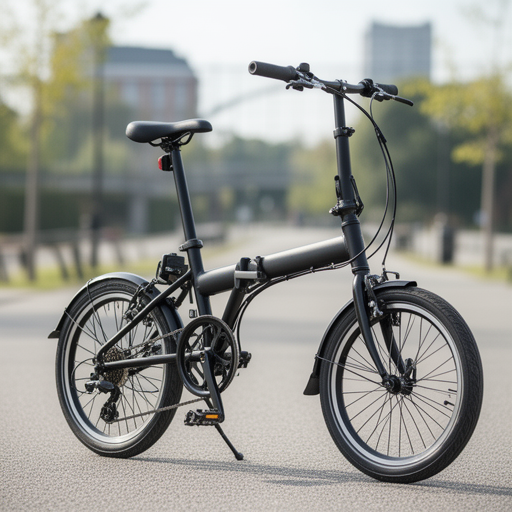
One of the earliest and most impactful missteps is selecting an inappropriate wheel diameter. While smaller wheels promise easier portability, they drastically alter ride dynamics. Many beginners default to 12- or 14-inch wheels, assuming compactness equals convenience. In reality, tiny wheels struggle with Singapore’s urban terrain: granite setts, drainage grates, speed bumps, and sudden elevation changes transmit harsh vibrations directly into your hands and spine. They also require significantly higher cadence to maintain momentum, making them inefficient for longer commutes.
For most local riders, 16-inch wheels offer a functional compromise between foldability and roll-over ability, but the 20-inch variant remains the undisputed standard. Twenty-inch wheels provide superior stability at speed, better shock absorption, and compatibility with wider tire profiles that handle tropical monsoon puddles and gravel patches effortlessly. They also integrate seamlessly into MRT bike racks and PTPS schemes without feeling unwieldy. Always match wheel size to your primary use case: transit-heavy routes demand portability, while road-focused commuting rewards stability. Never sacrifice rolling efficiency for marginal fold dimensions.
Ignoring Bike Weight
Weight is another critical factor that beginners frequently overlook. A common myth equates heavier frames with durability, but in the folding category, mass directly impacts usability. Daily commuters should target a total weight between 9 to 13 kilograms. Exceeding this range turns your bike into an asset rather than an ally. Lugging a 15-kilogram frame up three flights of HDB stairs, squeezing through crowded interchanges, or storing it in a compact BTO corridor quickly becomes exhausting.
Material choice dictates weight more than anything else. Aluminum alloys offer the best balance of strength-to-weight ratio and corrosion resistance, making them ideal for Singapore’s humid climate. Steel frames, while robust, add unnecessary bulk unless you plan to keep the bike stationary most days. Carbon fiber exists but is often prohibitively expensive for entry-level buyers. When shopping, always check the manufacturer’s dry weight specification and verify how components like brakes, gears, and folding hardware contribute to the total. If public transport integration is your goal, prioritize lightweight designs with ergonomic carry handles and balanced weight distribution. A well-proportioned bike should feel manageable, not cumbersome.
Choosing Poor Folding Mechanisms
The folding latch and hinge system is the structural heart of your compact ride, yet it’s where cheap models fail most dramatically. Beginners often prioritize aesthetics or price over engineering quality, landing on bikes with loose joints, wobbly hinges, or flimsy quick-release levers. These mechanisms develop play over time, compromise frame rigidity, and in worst-case scenarios, disengage while riding. Singapore’s high humidity further accelerates metal fatigue and corrosion in subpar hardware.
Quality folding systems feature multi-stage locking points, reinforced hinge pins, and tactile click confirmations that assure secure closure. Look for brands that utilize proprietary latching tech or industry-standard certifications like EN/ISO safety testing. A reliable mechanism should engage smoothly with moderate hand pressure, maintain zero lateral play under load, and resist vibration-induced loosening during long rides. Test the latch yourself if possible: fold it repeatedly, apply downward pressure on the seat post, and check for creaking or misalignment. Never compromise on this component; it dictates both safety and fold precision.
Maintenance Mistakes to Avoid
Folding bikes endure unique stresses due to their articulated frame and constant deployment cycles. Beginners often treat them like conventional bicycles, overlooking maintenance nuances specific to compact designs. Common oversights include skipping bolt torque checks, riding with underinflated tires, neglecting chain care, and hosing down the bike with high-pressure water that forces moisture into sealed bearings.
The folding joints, latch hinges, and wheel axles require monthly inspection and light lithium grease application. Tire pressure must be monitored weekly since small wheels lose air faster and disproportionately affect handling when underinflated. Chains should be wiped clean and lubricated every 200 kilometers to prevent premature wear on compact drivetrains. Cleaning should involve a damp microfiber cloth, mild detergent, and thorough drying to combat tropical humidity and salt air near coastal routes. For comprehensive care guides, genuine replacement hardware, and trusted local suppliers, riders often consult specialized platforms like folding bike for curated maintenance resources tailored to compact frames.
Conclusion
Starting your journey with a compact commuter doesn’t require trial and error. By avoiding these foundational mistakes—selecting appropriate wheel diameters, respecting weight limits, investing in secure folding hardware, and committing to consistent upkeep—you’ll maximize safety, comfort, and longevity. Singapore’s urban environment rewards smart, efficient choices, and your initial purchase sets the trajectory for years of seamless travel. Take your time, prioritize engineering over marketing claims, and remember that a well-maintained folding bike is an investment in freedom, flexibility, and everyday mobility.