
Singapore’s fast-paced urban lifestyle demands transport solutions that are efficient, flexible, and space-saving. With rising COE prices, crowded public transport during peak hours, and limited storage space in HDB flats, more commuters are rethinking how they move around the city. One solution has steadily gained popularity: the foldable bike.
Compact, practical, and commuter-friendly, foldable bicycles are no longer just a niche product—they are becoming a mainstream urban mobility choice. This article explores why a foldable bike is particularly well-suited for Singapore’s urban environment and why it makes sense for daily commuting.
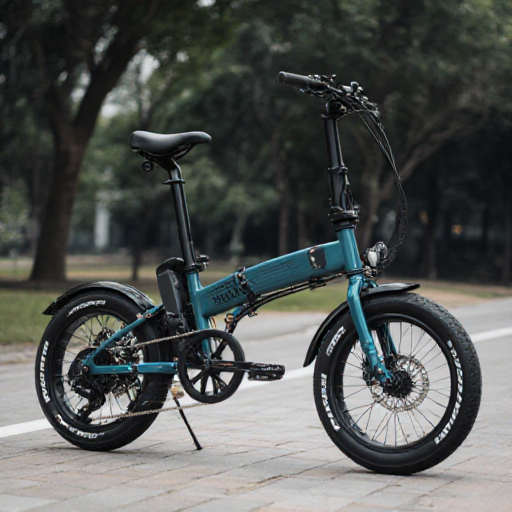
Table of Contents
- Singapore’s Urban Commuting Challenges
- What Is a Foldable Bike?
- Ideal for MRT, Bus, and Multi-Modal Travel
- Space-Saving Benefits for HDB and Condo Living
- Cost-Effective Alternative to Cars and Ride-Hailing
- Health, Fitness, and Lifestyle Benefits
- Designed for Singapore’s Roads and Weather
- Who Should Consider a Foldable Bike?
- Final Thoughts: A Smarter Way to Commute
1. Singapore’s Urban Commuting Challenges
Despite having one of the best public transport systems in the world, daily commuting in Singapore still comes with frustrations. Peak-hour congestion, long walking distances between stations and offices, and first-mile/last-mile gaps remain common pain points. At the same time, car ownership is expensive, and parking availability is limited in many estates and business districts.
Urban commuters increasingly need a transport option that bridges short distances efficiently without adding cost, stress, or storage problems. This is where foldable bikes excel.
2. What Is a Foldable Bike?
A foldable bike is a bicycle designed with a collapsible frame that can be folded into a compact size within seconds. Unlike traditional bicycles, it can be carried onto public transport, stored under desks, or placed neatly inside small apartments.
Modern foldable bikes are engineered with lightweight materials, durable hinges, and stable geometry, making them suitable for daily riding—not just occasional use. Many models today offer smooth gear shifting, comfortable riding posture, and surprisingly efficient speed for city travel.
3. Ideal for MRT, Bus, and Multi-Modal Travel
One of the biggest advantages of using a foldable bike in Singapore is its compatibility with public transport. LTA regulations allow foldable bicycles on MRT trains and buses as long as they meet size requirements when folded.
This opens up true multi-modal commuting. You can cycle from home to the MRT, fold the bike during the train ride, and unfold it again for the final stretch to your office. This flexibility reduces dependence on feeder buses, saves time, and gives you greater control over your commute.
Unlike full-sized bikes, there’s no need to worry about bike racks or outdoor parking.
4. Space-Saving Benefits for HDB and Condo Living
Space is a premium in Singapore homes, especially in HDB flats and smaller condominiums. Storing a traditional bicycle can be inconvenient, often requiring shared corridors, balconies, or common areas.
A foldable bike solves this problem elegantly. When folded, it can fit into a corner of the living room, a storeroom, or even under a bed. Some commuters store it at the office, eliminating the need for outdoor parking altogether.
For urban residents who value a clean, uncluttered living space, this compact design is a major advantage.
5. Cost-Effective Alternative to Cars and Ride-Hailing
Daily transport costs add up quickly. Ride-hailing, taxis, and even regular public transport expenses can become significant over time. A foldable bike requires a one-time investment, minimal maintenance, and no fuel costs.
Compared to owning a car—with expenses such as COE, insurance, petrol, parking, and maintenance—a foldable bicycle is one of the most economical ways to travel short to medium distances in Singapore.
Over time, many commuters find that the bike pays for itself through savings alone.
6. Health, Fitness, and Lifestyle Benefits
Beyond convenience and cost, cycling offers clear health benefits. Incorporating cycling into your daily commute improves cardiovascular fitness, builds muscle strength, and helps manage stress.
Unlike gym memberships that require extra time and motivation, cycling becomes a natural part of your routine. Even short rides contribute to daily physical activity, which is especially valuable for office workers with sedentary jobs.
Many commuters also report improved mental well-being, as cycling provides a sense of freedom and a break from crowded trains.
7. Designed for Singapore’s Roads and Weather
Singapore’s relatively flat terrain makes it ideal for cycling. Most urban routes do not require extreme gearing or high-performance road bikes. Foldable bikes are well-suited for pavements, park connectors, and city streets.
Modern designs also account for tropical weather. Rust-resistant components, durable tires, and quick-fold mechanisms make them practical even in humid conditions. When it rains, you can simply fold the bike and switch to public transport without hassle.
8. Who Should Consider a Foldable Bike?
A foldable bike is especially suitable for:
- Office workers commuting short distances
- MRT and bus users seeking faster first-mile and last-mile travel
- HDB residents with limited storage space
- Students traveling between campus and home
- Anyone looking for a flexible, low-cost transport option
If your daily travel involves a mix of walking, public transport, and short rides, this solution offers unmatched convenience.
For commuters exploring reliable options in Singapore, choosing a quality foldable bike from a local specialist ensures proper sizing, support, and long-term reliability.
9. Final Thoughts: A Smarter Way to Commute
Singapore’s urban landscape calls for transport solutions that are efficient, flexible, and space-conscious. Foldable bikes meet all these needs while offering additional benefits in cost savings, health, and lifestyle improvement.
As cities become denser and commuting demands evolve, foldable bicycles are no longer just an alternative—they are a smart, future-ready choice for urban commuters who value practicality without compromise.