
Table of Contents
- Introduction
- Why Foldable Bike Safety Matters in Urban Settings
- Essential Riding Safety Gear for Foldable Bike Users
- Pre-Ride Safety Checks: Brakes, Tires, and Folding Mechanism
- Proper Folding and Unfolding Techniques
- Safely Carrying a Foldable Bike on MRT and Buses
- Locking and Securing Your Foldable Bicycle in Public Spaces
- Night Riding Safety and Visibility Enhancements
- Handling Wet Roads, Curbs, and Urban Obstacles
- Common Mistakes That Lead to Accidents
- Safety Tips for New Foldable Bike Riders
- Maintenance Habits That Improve Safety
- Child and Pet Safety Around Foldable Bikes
- Foldable Bike Insurance and Protection Options
- Conclusion
1. Introduction
Foldable bikes have revolutionized urban commuting by offering portability, convenience, and flexibility. However, the compact design and frequent handling introduce unique safety considerations that traditional bicycles do not face. For riders navigating busy streets, MRT stations, or office spaces, understanding foldable bike safety is critical to prevent accidents, damage, or injury.
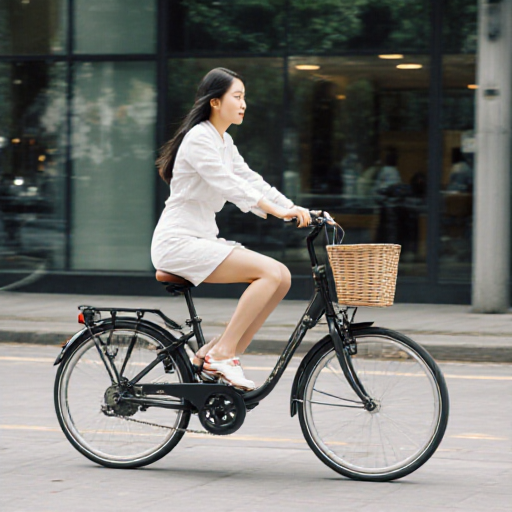
2. Why Foldable Bike Safety Matters in Urban Settings
Urban environments present challenges like crowded sidewalks, tight lifts, wet pavements, and unexpected obstacles. Foldable bike riders must manage not only riding safely but also folding, carrying, and storing the bike without risking personal injury or damage to the bicycle. Safety awareness ensures a smoother, stress-free commuting experience.
3. Essential Riding Safety Gear for Foldable Bike Users
Basic gear includes a properly fitting helmet, reflective clothing, gloves, and lights. Unlike standard bikes, foldable bikes may be used in varied settings—on roads, sidewalks, or public transport—making visibility and protection crucial. Accessories like handlebar mirrors, bell, and reflective tape further improve rider safety.
4. Pre-Ride Safety Checks: Brakes, Tires, and Folding Mechanism
Before every ride, inspect brakes, tires, chain, and folding joints. Ensure the locking mechanism fully secures the bike in unfolded position. Loose hinges or worn brakes can lead to accidents. Establishing a consistent pre-ride check routine prevents mechanical failures during commutes.
5. Proper Folding and Unfolding Techniques
Incorrect folding or unfolding can cause pinched fingers or hinge damage. Follow manufacturer guidelines carefully, always double-checking that all latches are engaged. Practicing folding at home until the motion becomes second nature reduces mishaps in public areas.
6. Safely Carrying a Foldable Bike on MRT and Buses
Foldable bikes are portable, but improper handling can endanger yourself or others. Carry the bike in a balanced position, keeping it close to your body. Avoid obstructing pathways, and place the bike securely in designated spaces on trains or buses. Awareness of surrounding passengers is key.
7. Locking and Securing Your Foldable Bicycle in Public Spaces
Despite compact size, foldable bikes are prone to theft. Use a high-quality lock and secure both frame and wheels to immovable objects. In MRT stations or HDB areas, consider folding the bike while locking to reduce exposure and make it less visible to opportunistic thieves.
8. Night Riding Safety and Visibility Enhancements
Nighttime riders should equip their foldable bike with front and rear lights, reflective tape, and bright clothing. Compact bikes may be less visible due to smaller wheels and frames, so increasing visibility is critical to avoid collisions with cars, motorcycles, or pedestrians.
9. Handling Wet Roads, Curbs, and Urban Obstacles
Foldable bike wheels are often smaller than standard bikes, making them more susceptible to slipping on wet surfaces or catching curbs. Reduce speed on rainy days, maintain a firm grip, and anticipate urban obstacles. Smooth braking and careful weight distribution while cornering improve stability.
10. Common Mistakes That Lead to Accidents
Frequent mistakes include riding with a partially folded bike, neglecting brake maintenance, overloading bags, or ignoring potholes. Folding bike riders may also underestimate stopping distance, especially with heavier models or added accessories. Awareness and correction of these habits drastically reduce accident risks.
11. Safety Tips for New Foldable Bike Riders
Beginners should practice riding in open, low-traffic areas to build confidence. Learn proper folding and carrying methods before venturing into busy streets. Start with short commutes and gradually increase distance while integrating the bike with public transport.
12. Maintenance Habits That Improve Safety
Regular maintenance is essential. Check for loose bolts, worn tires, chain lubrication, and hinge integrity weekly. Properly maintained foldable bikes ride more predictably, fold smoothly, and reduce the chance of mechanical failure causing injury.
13. Child and Pet Safety Around Foldable Bikes
Foldable bikes are commonly used in tight urban spaces, where children or pets may be nearby. Keep the bike stable when folded, avoid sudden movements in crowded areas, and store safely at home to prevent accidents. Awareness of surroundings ensures everyone’s safety.
14. Foldable Bike Insurance and Protection Options
Some riders consider insurance to cover theft, damage, or accidents. Policies vary by provider and often include commuter or personal liability coverage. For high-end foldable bikes, insurance offers additional peace of mind in case of theft or unforeseen events.
15. Conclusion
Foldable bike safety encompasses riding, folding, carrying, and storage practices. Urban commuters benefit from understanding these aspects to protect themselves, passengers, and the bicycle itself. By adopting proper gear, routine checks, mindful handling, and preventative maintenance, foldable bike riders can enjoy a safe, convenient, and stress-free urban commuting experience.